Cheer Life: An Embroidery Designer’s Honest Take Before You Sew
As someone who has spent years behind a machine, testing hundreds of designs on everything from baby onesies to canvas tote bags, I approach every new file with curiosity and healthy skepticism. Cheer Life landed in my queue recently, and after running it through several real projects, I want to share what works, what needs attention, and exactly where this design earns its place in your shop or portfolio.
First Impressions: The Mood and Personality of This Design
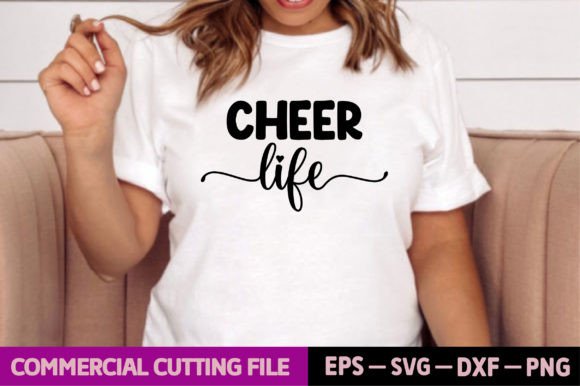
Cheer Life carries a light, optimistic energy that is hard to miss. The layout feels balanced without being stiff, and the lettering has a friendly rhythm that reads as approachable rather than formal. As a T-Shirt Designs piece, it naturally fits the casual apparel space, but the visual personality stretches further. The Graphics style is clean enough for everyday wear but has enough character to feel special on a gift item.
The overall shape is compact and horizontal, which makes it a strong candidate for chest placements on adult and youth sizes. The spacing between elements feels deliberate, giving the eye room to breathe. For a machine embroidery design, that kind of openness is a real advantage. It means less risk of thread bunching in tight corners and more clarity when the design is scaled down.
Real Stitching Performance: How Cheer Life Becomes a Finished Product
I started with a mid-weight cotton sweatshirt in a soft heather gray. After hooping with a cutaway stabilizer, I ran a test stitch using a basic fill stitch for the main body and a satin stitch outline for the edges. The result was clean and readable. The lettering held its shape well, and the edges stayed crisp without excessive pull or distortion.
Next, I moved to a canvas tote bag. This is a product I sell regularly through my Etsy seller shop, and it often demands designs that can handle thicker fabric and heavier use. Cheer Life performed admirably here. The stitch density was moderate enough to avoid puckering on the canvas, and the design sat flat after sewing. I did add a layer of tear-away stabilizer on top of the cutaway to keep the stitches from sinking into the weave.
For a baby onesie project, I scaled the design down to fit a 4x4 hoop size. The smaller size still retained its readability, though the finer details in the lettering required careful thread colors selection. A high-contrast thread against a light fabric worked best. On dark fabric, I used a white or bright metallic thread to keep the cheerful tone of the design intact.
I also tested it as an embroidered patch. Using a heavy satin stitch border and a medium fill stitch inside, the design translated well to patch form. The edges were smooth, and the overall shape held up through multiple handling cycles.
Where This Design Shines Brightest
Cheer Life feels at home on a wide range of products. For custom apparel, it works beautifully on sweatshirts, t-shirts, and hoodies. The horizontal layout fits naturally across the chest or centered on the back. For boutique merchandise, it adds a polished touch to aprons, kitchen towels, and pillow covers.
As a personalized gift, the design reads as thoughtful without being overly sentimental. Birthday gifts, holiday projects, and nursery decor all benefit from the upbeat tone. I can see it working well on a child’s birthday shirt, a teacher appreciation tote, or a baby shower gift. For baby embroidery especially, the design keeps its charm at smaller scales.
For small shop product lines, Cheer Life offers strong visual appeal. The design looks professional in a product photo, which is critical for Etsy listings and craft fair displays. A well-stitched piece using this design communicates care and attention to detail. Commercial embroidery operations will find the design versatile enough for bulk orders. Its moderate stitch density keeps production time reasonable, and the simple color palette means fewer thread changes during multi-unit runs.
Where to Use Caution
Not every fabric or product type is an ideal match. On very stretchy fabrics like lightweight jersey, the design can distort if not stabilized properly. I recommend a medium-weight cutaway stabilizer and a slight reduction in stitch density to prevent tunneling.
Textured fabrics, such as fleece or heavy knit, can bury fine details. If you are working with a thick fabric texture, consider enlarging the design slightly or using a thicker thread weight to maintain visibility.
Dark fabrics require careful thread selection. A bright or metallic thread helps the design pop, but a low-contrast thread will make the cheerfulness of Cheer Life fall flat. Test a small section before committing to the full piece.
Curved surfaces like caps and hats present their own challenges. The horizontal layout of Cheer Life fits a cap front better than a curved side placement, but even then, the design should be kept within the central panel to avoid distortion at the edges.
For products that will see frequent washing, such as kitchen towels or baby clothes, use a high-quality polyester thread and a strong stabilizer. The design will hold up well if properly secured, but skipping stabilizer or using low-grade thread will lead to breakdown over time.
How Cheer Life Affects Visual Appeal and Customer Trust
A design like Cheer Life does more than just decorate a product. It shapes how the buyer perceives the item. A clean, well-stitched embroidery project signals professionalism and care. When a customer receives a tote bag design or sweatshirt embroidery with this design, they see a handmade product that feels intentional.
For Etsy sellers and small shop product owners, that translates into positive reviews, repeat buyers, and word-of-mouth referrals. The design itself is approachable and broadly appealing, which makes it a safe choice for a wide customer base.
Brand consistency also benefits from a design that is easy to reproduce across multiple products. If you use Cheer Life on a t-shirt, a tote, and a cap, the visual identity stays strong. Customers recognize the style and associate it with your brand. For craft business owners building a cohesive product line, that kind of recognition is valuable.
Practical Designer Notes Before You Sew
Before you commit thread to fabric, here are a few steps worth taking:
- Test the design on scrap fabric first. This is the single most important step. Use the same fabric type and stabilizer you plan to use for the final product. Run a full stitch test and inspect every detail.
- Check thread color contrast. Hold your thread colors against the fabric in natural light. What looks good in the package may disappear once stitched.
- Review stitch density. If the design feels too dense, reduce the density slightly or switch to a lighter stabilizer. If it feels too loose, consider adding a second pass on key elements.
- Confirm hoop size. Cheer Life fits comfortably in a 5x7 hoop for most placements. If you plan to use a 4x4 hoop, scale the design down and test for readability.
- Inspect small details. The finer elements in the lettering need to be clear at the intended size. If they blur, enlarge the design or simplify the font.
- Test in black and white mockups. This helps you see the design’s structure without the distraction of color. If it reads well in grayscale, it will read well in color.
- Compare light and dark fabric backgrounds. The design should work on both, but the thread colors may need adjustment.
- Use proper stabilizer. Cutaway stabilizer is my default for garments. For patches or standalone items, a heavy tear-away works well.
- Check commercial licensing. Before selling finished products or digital embroidery files featuring Cheer Life, review the licensing terms. Some designs allow unlimited commercial use, while others require a separate license. Confirm this before you list your items.
Final Thoughts on Cheer Life for Your Embroidery or Craft Business
Cheer Life is a solid addition to any embroidery designer’s library. It brings a positive, accessible energy that works across a wide range of products and occasions. The design is versatile enough for personal projects yet professional enough for commercial embroidery use.
Its performance in real stitching is reliable, provided you take the time to match thread, fabric, and stabilizer correctly. The design holds its shape well, reads clearly at multiple sizes, and translates to both soft goods and hard goods like patches. For handmade product creators, it offers a dependable option for custom apparel, personalized gifts, and boutique merchandise. It photographs well, stitches cleanly, and appeals to a broad customer base.
As always, test before you trust. Run a sample, adjust your settings, and let the design speak for itself. When handled with care, Cheer Life delivers exactly what its name promises: a little brightness in every stitch.