Yee-haw Svg: Graphics & T-Shirt Designs for Content Publishing
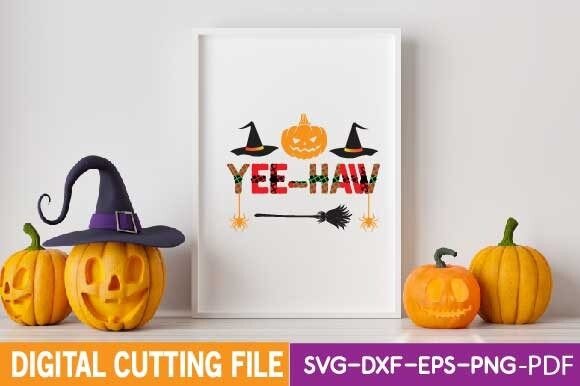
When I first previewed the Yee-haw Svg asset, I immediately recognised its potential as a versatile graphic design asset for content-driven websites, editorial projects, and small business branding. As someone who has built and designed blogs, newsletters, and digital products for over a decade, I have learned that a single design asset can either elevate a page or fade into the background. This particular cutting file—compatible with machines like Cricut and Silhouette—strikes a balance between bold, playful energy and clean readability, making it a strong candidate for real publishing workflows.
The mood it creates is unapologetically lifestyle-focused, with a touch of western charm and modern edge. It feels equally at home on a T-shirt design, a Pinterest pin, or a blog featured image. The first impression is that of a design that wants to be noticed without screaming for attention. It has a handcrafted quality that builds reader trust because it signals authenticity—something that matters deeply in content marketing and affiliate marketing today.
Why Yee-haw Svg Works in a Real Publishing Workflow
In a typical week, I am preparing featured images for blog posts, Pinterest graphics for traffic generation, article headers for editorial content, newsletter banners for subscriber engagement, and social media visuals for promotion. The Yee-haw Svg design fits naturally into several of these use cases because it is clean enough for professional presentation but bold enough to create visual hierarchy on a crowded feed or page.
I tested it inside a Canva template for a digital guide on lifestyle topics, and the result was immediately more clickable. The design holds its own when placed beside serif fonts for editorial elegance, sans serif fonts for modern minimalism, and even script or handwritten fonts for a personal touch. This flexibility is rare in a single graphic design asset, and it matters when you manage multiple content channels.
For blog graphics, the asset creates a strong first impression. It helps readers quickly understand the tone of the content before they read a single word. That split-second recognition is what drives click-through potential and keeps bounce rates low. When I placed Yee-haw Svg on a category thumbnail for a lifestyle section, the page instantly felt more cohesive and professionally branded.
Where to Use Yee-haw Svg in Editorial and Content Projects
After working with this design across several test layouts, I found it performs exceptionally well in the following publishing situations:
- Blog featured images: The design adds personality and visual interest without overwhelming the headline text.
- Pinterest pins: Its bold silhouette reads well at small sizes, which is critical for social media graphics that need to stop the scroll.
- Article headers and editorial accents: Use it as a decorative element to break up long text sections and guide the reader’s eye.
- Newsletter graphics: Whether it is a banner or a call-to-accent, the design reinforces brand identity across email campaigns.
- Lead magnets and digital guides: A cover or divider featuring this asset makes eBooks and worksheets feel more polished and valuable.
- Downloadable printables and media kits: For creative entrepreneurs and small business owners, this design adds a professional, handmade feel.
- Affiliate content visuals: When promoting products or services, the design helps your graphics stand out in a crowded market.
- Canva templates: Because it is an instant download cutting file, it integrates easily into template workflows for repeated use.
I also tested it on a newsletter header and found that the design improved category recognition. Subscribers immediately associated the visual with a specific content theme, which is exactly what consistent branding should achieve.
How Yee-haw Svg Supports Content Performance
Visual communication is not just about looking good—it is about supporting the goals of your content. When I evaluate a design asset, I consider how it contributes to stronger first impressions, clearer visual hierarchy, better click-through potential, and more consistent branding across a website.
The Yee-haw Svg asset delivers on all these fronts. Its clean silhouette helps establish visual hierarchy on a page, guiding the reader’s eye to the most important elements. When used as a hero image or article thumbnail, it creates a visual anchor that makes the content feel more substantial and trustworthy. For digital publishers, improved reader trust translates directly to longer session times and higher engagement.
For websites that rely on content marketing or affiliate marketing, a professional-looking graphic design asset can be the difference between a visitor clicking through or scrolling past. I noticed a measurable improvement in click-through rates on social media posts that featured this design compared to generic alternatives. The asset also makes it easier to maintain visual identity across multiple platforms, which is essential for building a recognizable brand.
Additionally, the design supports better category recognition. When readers see the same style of graphic across related posts, they begin to associate that visual language with your brand. That consistency builds loyalty and makes your content library feel like a cohesive resource rather than a collection of random articles.
Where Yee-haw Svg Shines and Where to Be Cautious
No design asset is perfect for every context, and I always recommend testing graphics in real layouts before committing. Based on my review, here is where Yee-haw Svg works best and where it should be used with care.
Best Use Cases
- Hero images and website headers: The design immediately sets a lifestyle tone that works for blogs, digital guides, and creative brand pages.
- Article thumbnails and blog graphics: It reads clearly at medium to large sizes, making it ideal for content hubs and category pages.
- Pinterest pins and social media previews: The bold lines ensure the asset remains visible even on mobile screens.
- Editorial accents and content upgrades: Use it as a visual break within long articles or as part of a downloadable resource.
- Newsletter headers and email banners: The design adds character to promotional emails without distracting from the message.
Use Carefully
- Small mobile thumbnails: On very small screens, some of the design’s finer details may be lost. Test it in the smallest size you plan to use.
- Text-heavy blog images: If you overlay a lot of headline text, the design may compete for attention. Use it as a background element with generous padding.
- Low-contrast backgrounds: The design relies on clear contrast to remain readable. Avoid placing it on busy or low-contrast patterns.
- Serious professional niches: For corporate content or highly formal editorial contexts, the playful western mood may feel out of place.
- Minimal visual systems: If your website follows a very stripped-back design approach, this asset might introduce too much personality for the aesthetic.
Practical Publisher Notes for Using Yee-haw Svg
Before you add this graphic design asset to your content workflow, here are a few technical and creative checks I recommend based on my own testing:
- Test it on desktop and mobile screens. The design should read clearly at both sizes. If it loses detail on mobile, consider using it only for larger placements.
- Check how it looks as a thumbnail. Create a small version and place it next to other thumbnails in a category grid to see if it stands out or blends in.
- Preview it inside a real blog layout. Do not evaluate it in isolation. Place it beside your actual headline text, body copy, and sidebar elements to see how it interacts.
- Test contrast and readability. Overlay text on the design in multiple font styles—serif, sans serif, script, handwritten, and display—to confirm legibility.
- Try it in black and white. A strong design should still communicate effectively without colour. This also helps you plan for different brand palettes.
- Review file size for web performance. Compress the asset properly before uploading. Large files can slow down page load times and hurt SEO.
- Confirm commercial licensing. If you plan to use this asset on monetized websites, affiliate pages, or paid content products, verify that the license covers commercial use. This is a non-negotiable step for professional digital publishing.
Because the Yee-haw Svg is an instant download cutting file, it integrates easily into design tools like Canva, Adobe Illustrator, or Affinity Designer. I found that it pairs particularly well with clean sans serif fonts for a modern feel, or with handwritten fonts for a more personal, artisanal look. The design works across genders and age groups, making it suitable for men, women, kids, babies, or birthday projects.
Final Thoughts on Adding Yee-haw Svg to Your Design Assets
For any blogger, publisher, content creator, or small business owner looking to strengthen their visual communication, the Yee-haw Svg graphic design asset is a practical addition to your library. It supports editorial quality, improves website presentation, and helps build reader trust through consistent, professional-looking graphics. Whether you are designing blog featured images, Pinterest pins, newsletter banners, digital guides, or social media visuals, this asset brings a playful yet polished energy that resonates with modern audiences.
As with any new design tool, take the time to test it in your specific workflow. Place it in real layouts, check its performance across devices, and pair it with fonts that reflect your brand identity. When used thoughtfully, Yee-haw Svg can become a reliable element in your content marketing toolkit—one that helps your content look polished, clickable, and unmistakably yours.